
The Seven Truths
Start Here
Foundations
You may read this book first, last, or not at all.
But if you're looking for the widest view before going deeper, this is where it begins.
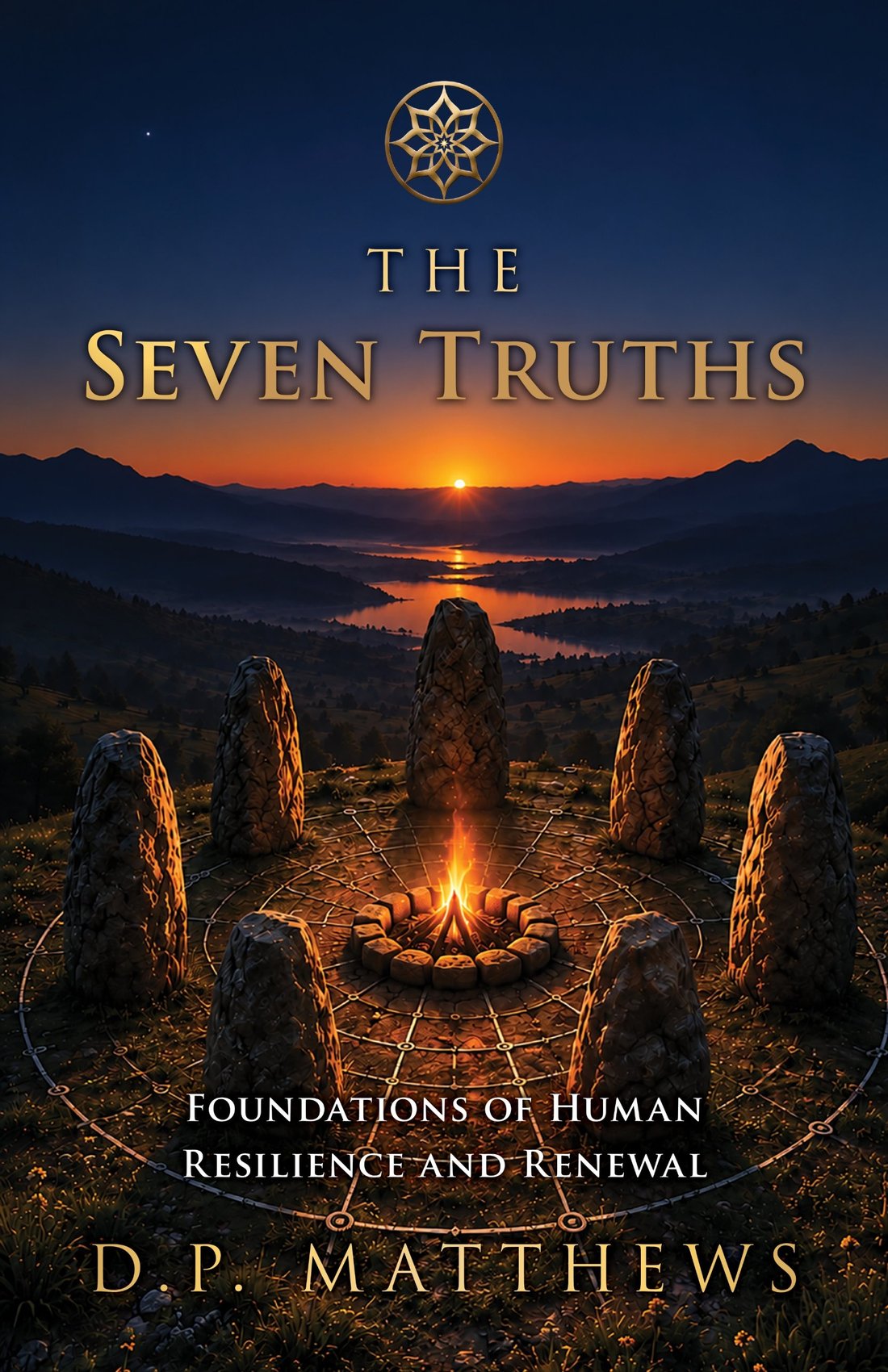
The core book · Available now
Foundations
How do we endure?
Belonging, meaning, order, justice, redemption, mortality, transcendence: the whole framework in one place, meant to be read straight through.
More about this bookShow less
Each ancient text at its core is a survival book for mankind. Across thousands of years, civilizations that are separated by geography, language, culture, and beliefs have all wrestled with remarkably similar issues.
So began the journey of the Seven Truths.
Belonging - The circle of identity. We endure with, not alone. Trust and reciprocity form the first safety net.
Meaning - The compass of purpose. Direction turns effort into coherence, especially under strain.
Order - The framework of stability. Fair rules and clear roles make cooperation possible without coercion.
Justice - The recognition of harm. Fairness makes power legitimate and repair thinkable.
Redemption - The renewal of the broken. Honest learning from harm turns pain into growth.
Mortality - The memory of continuity. The finite gives us urgency, reverence, and a sense of legacy.
Transcendence - The bridge beyond the self. Awe, wonder, and devotion enlarge the imagination and soften ego.
These truths evoke universal questions that do not belong to any one religion, culture, or philosophy. They are recurring coordinates in the human experience, patterns that surface wherever individuals and communities struggle to endure, recover, and rebuild.
What makes the pattern especially compelling is what happens when different ways of understanding humanity intersect. Biology finds it in the social organism beneath the story, our dependence on connection, regulation, adaptation, and survival. Psychology has spent a century mapping attachment, identity, meaning-making, grief, and recovery, arriving at strikingly similar territory. Anthropology carries it forward through ritual and tradition, while sociology traces the same concerns through the structures that create belonging, cooperation, trust, and order. History and archaeology show it recurring across civilizations, through every period of upheaval and renewal a species can survive.
Philosophy asks it directly, what do meaning, conscience, virtue, responsibility, and mortality actually require of us? Economics and political thought run into the same human problems from a different angle, scarcity, cooperation, power, fairness, governance. Even language itself carries the evidence, in how belonging, meaning, memory, and reconciliation get built and passed between people. Geography keeps the whole conversation honest, since human life has always unfolded within place, environment, migration, and physical limits. And theology and religious tradition hold humanity's oldest record of all of it, suffering, mercy, purpose, mortality, transcendence, carried forward in story for as long as there's been anyone to tell one. When these disciplines ask the deepest version of the same question, what do human beings need in order to endure, their answers repeatedly converge. That convergence is the territory of The Seven Truths.
Moving from ancient fire circles, burial rites, sacred texts, and early law codes to modern psychology, social structures, and resilience research, the book follows the threads across time. The Epic of Gilgamesh, the Torah, the Bhagavad Gita, the Dhammapada, the Analects, the Tao Te Ching, the Gospels, the Qur'an, Stoic philosophy, and modern thought all become part of the same continuing conversation about what allows humanity to endure.
This is not a conventional self-help formula, a theological doctrine, or a new philosophical system. It does not require the reader to accept a particular creed or worldview. Instead, it offers a way of looking across the human record, recognizing patterns we have inherited but often forgotten, and following where they lead in your own journey.
Belonging. Meaning. Order. Justice. Redemption. Mortality. Transcendence.
Seven truths. One continuing journey toward what it means to endure, rebuild, and remain human.
Seven Books, No Required Order
The Seven Truths
They did not arrive in sequence, and they don't ask to be read in one.
Pick up whichever Truth speaks to where you are right now.
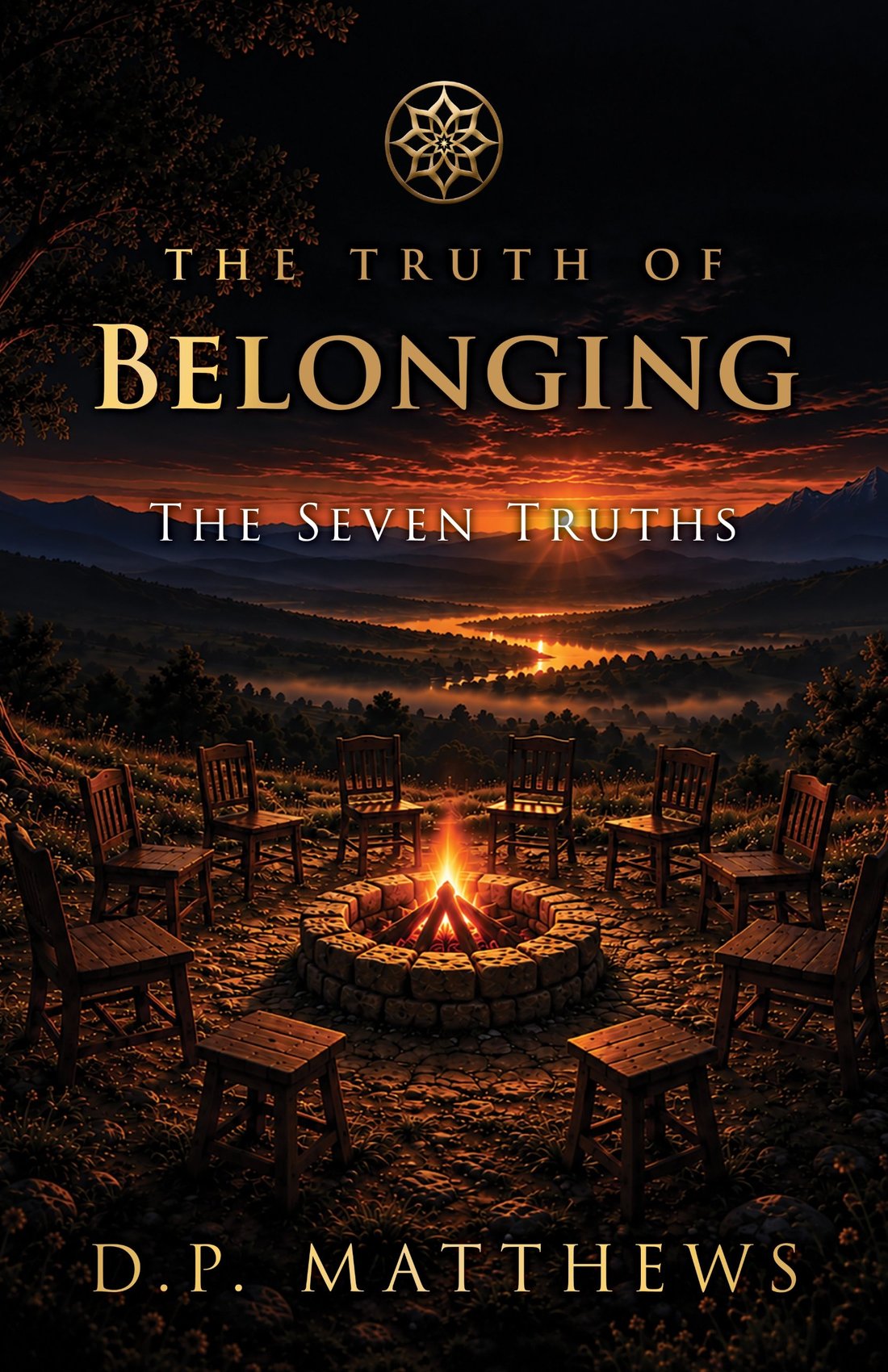
The Truth of Belonging
What does it mean to truly belong?
More about this bookShow less
Every human life begins in someone’s arms. Before language, before belief, before memory, we learn the world through voice, touch, presence, and recognition.
Belonging begins there.
It is more than friendship, family, or community. It is the experience of being seen, known, and connected without having to disappear, perform, or become smaller in order to stay.
The Truth of Belonging explores one of the oldest human needs: the need to be held by others and to hold them in return.
Drawing from psychology, biology, culture, history, and ancient traditions, the book follows belonging from our earliest relationships into the circles we build as adults. It looks at how trust forms, how connection shapes identity, how communities strengthen us, and why some circles feel like home while others do not.
Across cultures, different traditions have given this human need different names: chesed, ubuntu, anam cara, ohana. Different languages, different histories, but the same recurring human recognition: that who we are is shaped, in part, by the people with whom we stand.
Belonging is also found in the ordinary things: the people who make room for us, the friendships that survive change, the families we are born into and the ones we choose, the communities that give us somewhere to stand, and the relationships that let us become more fully ourselves rather than less.
But belonging also has a shadow.
Connection can become control. Loyalty can become conformity. Welcome can become conditional. Some circles strengthen us; others quietly require us to shrink in order to remain inside them.
The Truth of Belonging is not a memoir and it is not a step-by-step manual. It is a companion for anyone who has ever wondered where they belong, what healthy connection really looks like, how relationships shape identity, or what it means to create the kind of belonging we hope to receive ourselves.
Belonging is not a prize reserved for the fortunate.
It is one of the oldest structures of human life.
You were made for connection.
And the circle is never truly complete without you.
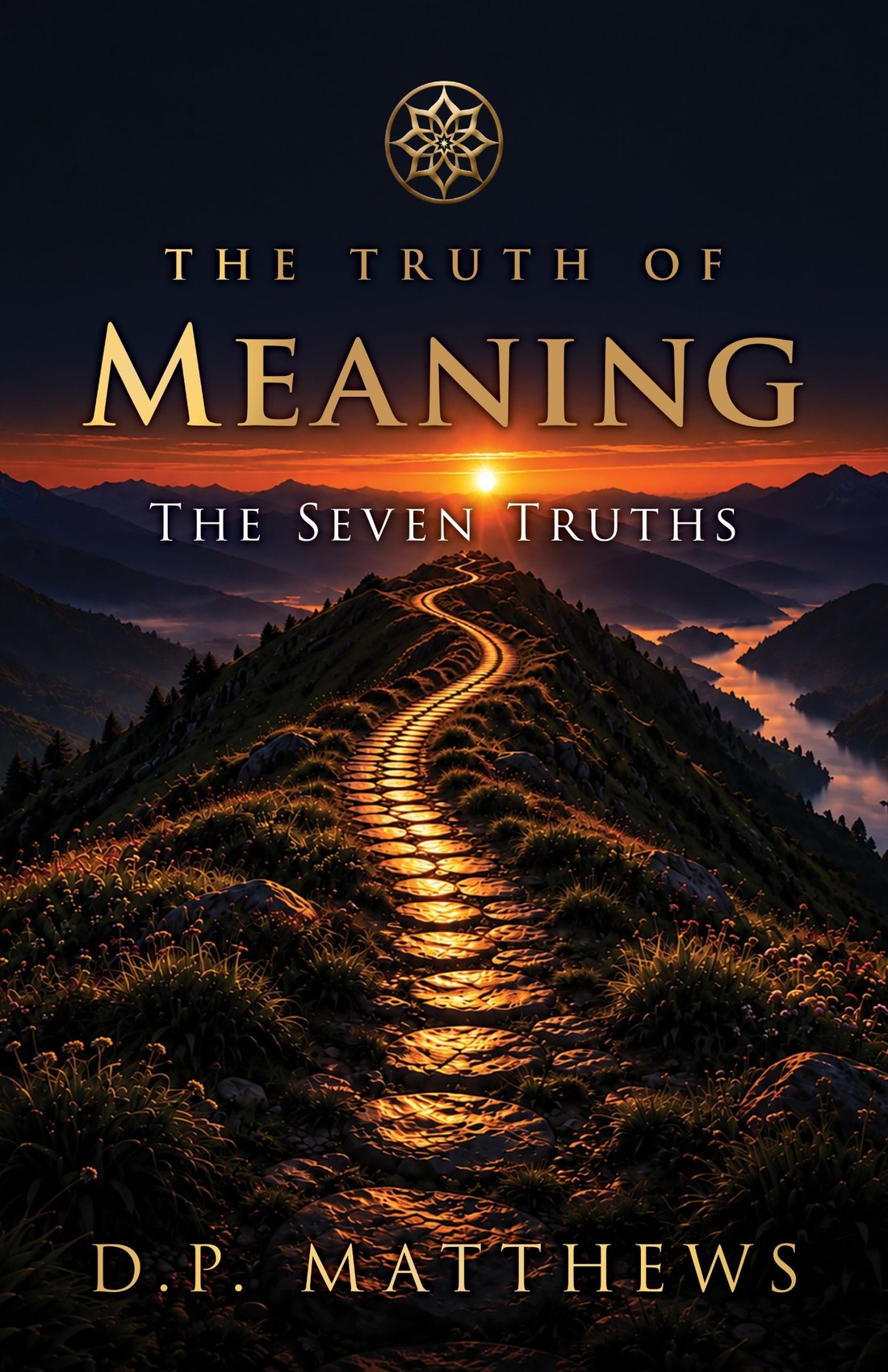
The Truth of Meaning
What makes a life feel meaningful?
More about this bookShow less
There comes a moment, sometimes quiet, sometimes disruptive, when the questions we have been able to ignore begin asking for an answer.
Why am I here?
What am I living toward?
What actually matters to me?
The Truth of Meaning begins with a distinction that is easy to overlook: purpose and meaning are not the same thing.
Purpose gives direction. Meaning is the sense that the direction matters.
A person can be successful, productive, and moving quickly toward a goal while still feeling strangely disconnected from the life they are building. Another person may have no grand plan at all and yet know, with quiet certainty, that their days matter.
Drawing from philosophy, psychology, history, culture, and enduring human traditions, The Truth of Meaning explores how meaning takes shape through values, relationships, experience, responsibility, and the choices we make about what deserves our attention.
Meaning is not found only in dramatic turning points. It also lives in ordinary commitments: the work we choose to do well, the people we care for, the values we refuse to abandon, the responsibilities we accept, and the quiet ways a life comes into alignment with what we believe matters. Across cultures and traditions, people have given different names to that search, but the question beneath them is remarkably familiar.
It also asks what happens when the meaning that once carried us no longer fits.
Lives change. Roles end. Loss rearranges what once seemed certain. Work, identity, ambition, belief, and responsibility can all shift beneath us. The question is not simply how to recover an old sense of purpose, but how to recognize what remains true when the framework around it changes.
Meaning is not something handed to us fully formed. Nor is it something we prove through constant productivity, achievement, or visibility.
It is something we cultivate, examine, live, and sometimes allow to change.
The Truth of Meaning is not a formula for finding your purpose. It is a companion for anyone who has ever wondered whether the life they are living still reflects what they value, what they are becoming, and what they want to carry forward.
You do not need to have every answer.
Sometimes meaning begins with finally asking the right question.
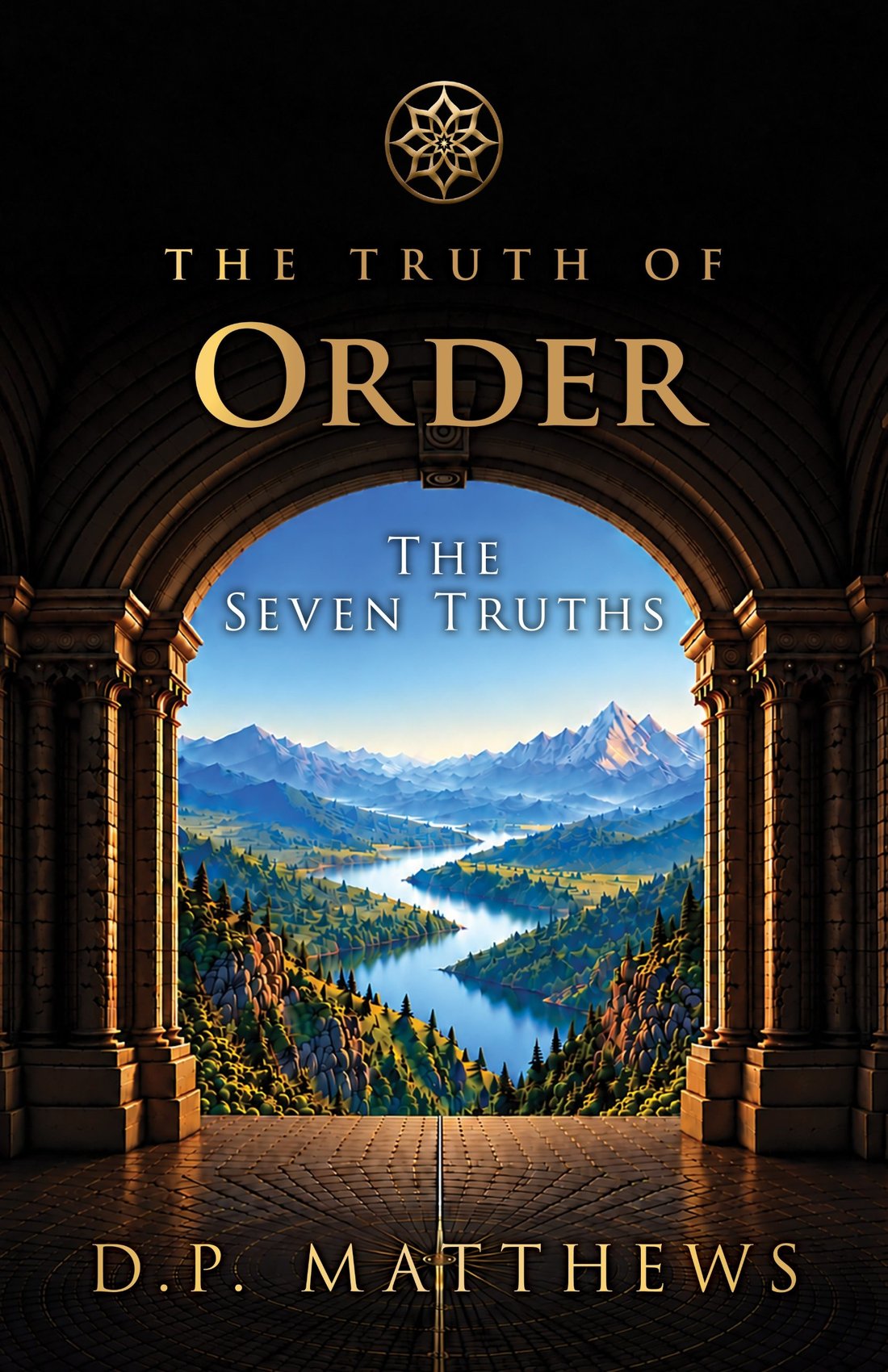
The Truth of Order
What is holding your life together right now?
More about this bookShow less
Not luck. Not accident.
Structure.
The habits, agreements, routines, and quiet arrangements that make ordinary life possible often go unnoticed until they stop working.
The Truth of Order explores the structures that allow meaning, responsibility, and care to survive beyond effort alone.
This is not a book about control, rigidity, or perfect systems.
It is about stewardship.
About the things we build, inherit, maintain, neglect, repair, and sometimes need to release.
Drawing from history, philosophy, psychology, culture, and the ordinary patterns of daily life, The Truth of Order looks at why some structures continue to hold under pressure while others quietly fail long before anyone notices.
Order can look like discipline, but it can also look like rest. It can mean maintaining what already works, or recognizing that a structure built for one season no longer fits the life you are living now.
The challenge is not to control everything.
It is to notice what deserves tending.
The Truth of Order is not a productivity manual and it is not a system to install. It is a companion for anyone who has ever wondered why some parts of life hold together while others unravel, why responsibility becomes heavier when structures fail, or how to build something that can continue even when energy, attention, or certainty runs low.
Order is not a destination.
It is a practice of return.
Tend what matters. Release what does not. Build what can hold.
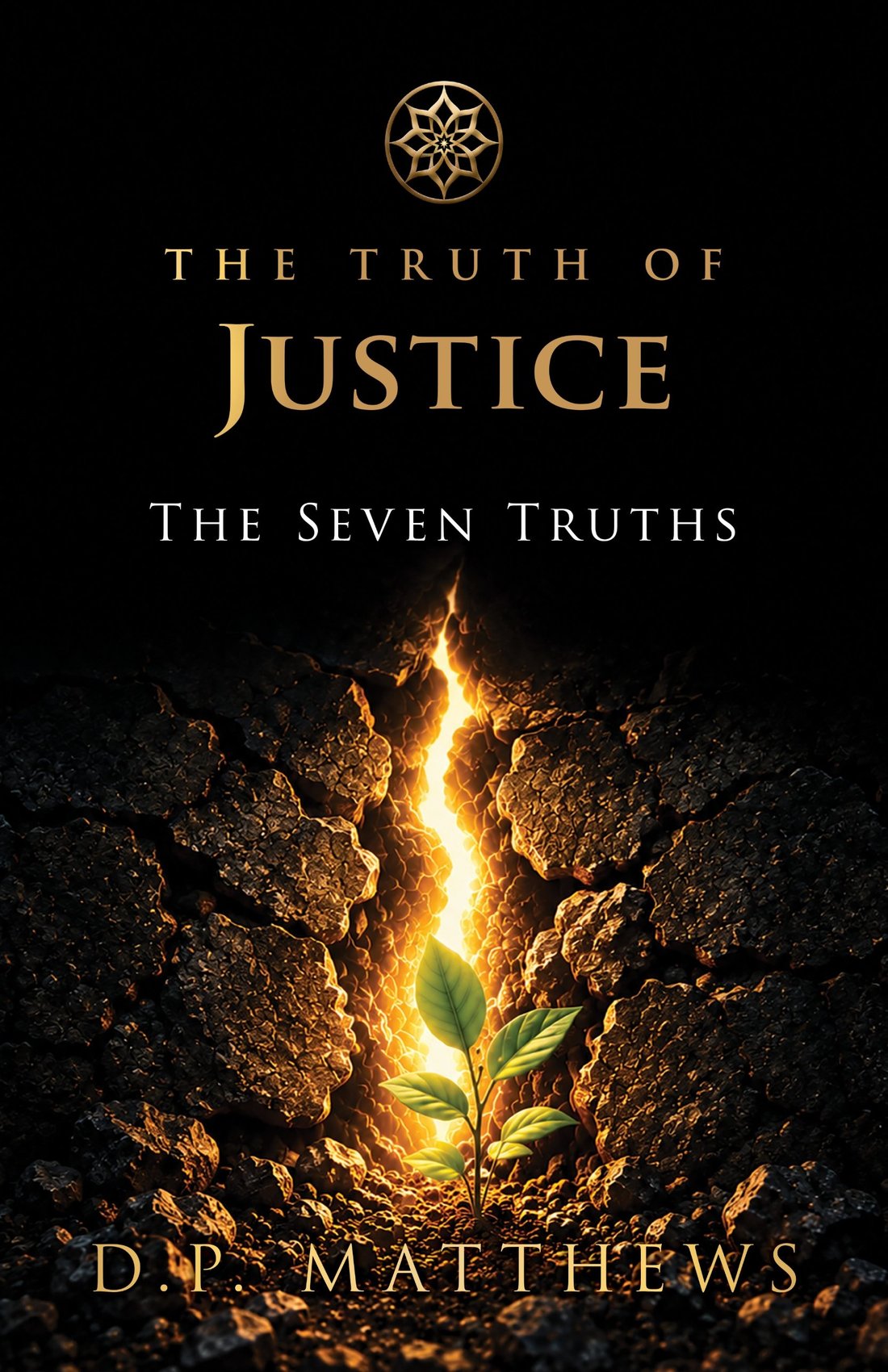
The Truth of Justice
What happens after harm has already occurred?
More about this bookShow less
Before there are laws, there is harm.
Before there are systems, there is a choice about how to respond.
The Truth of Justice begins there.
Justice is one of the most familiar ideas in human life and one of the least settled. We call for it when something has been taken, broken, violated, or lost. We build systems around it. We appeal to it when trust fails.
And yet justice rarely looks the same from every side.
Drawing from history, philosophy, psychology, culture, and traditions from across the world, The Truth of Justice explores how human beings have tried to respond to harm, restrain power, assign responsibility, repair what can be repaired, and live with what cannot be undone.
This is not a book arguing for a political position, legal system, or final definition of justice.
It is a book about the tension.
Between accountability and mercy.
Between punishment and repair.
Between justice and forgiveness.
Between what is fair and what is possible.
Between the desire for closure and the reality that some consequences remain.
Forgiveness enters that tension carefully. It can be offered, withheld, accepted, or refused, but it cannot erase harm, replace accountability, or be demanded from the person who was injured.
Across cultures, the methods differ. Some traditions emphasize restitution. Others emphasize restraint, balance, accountability, mercy, or restoration. But again and again, the same recognition appears: harm cannot simply be ignored, and the way we respond to it shapes what comes next.
The Truth of Justice is for anyone who has ever been harmed, caused harm, witnessed harm, or struggled with the limits of what fairness can actually accomplish.
Justice is necessary.
It is also incomplete.
The question is not whether harm happened.
The question is what we choose to do after it does.
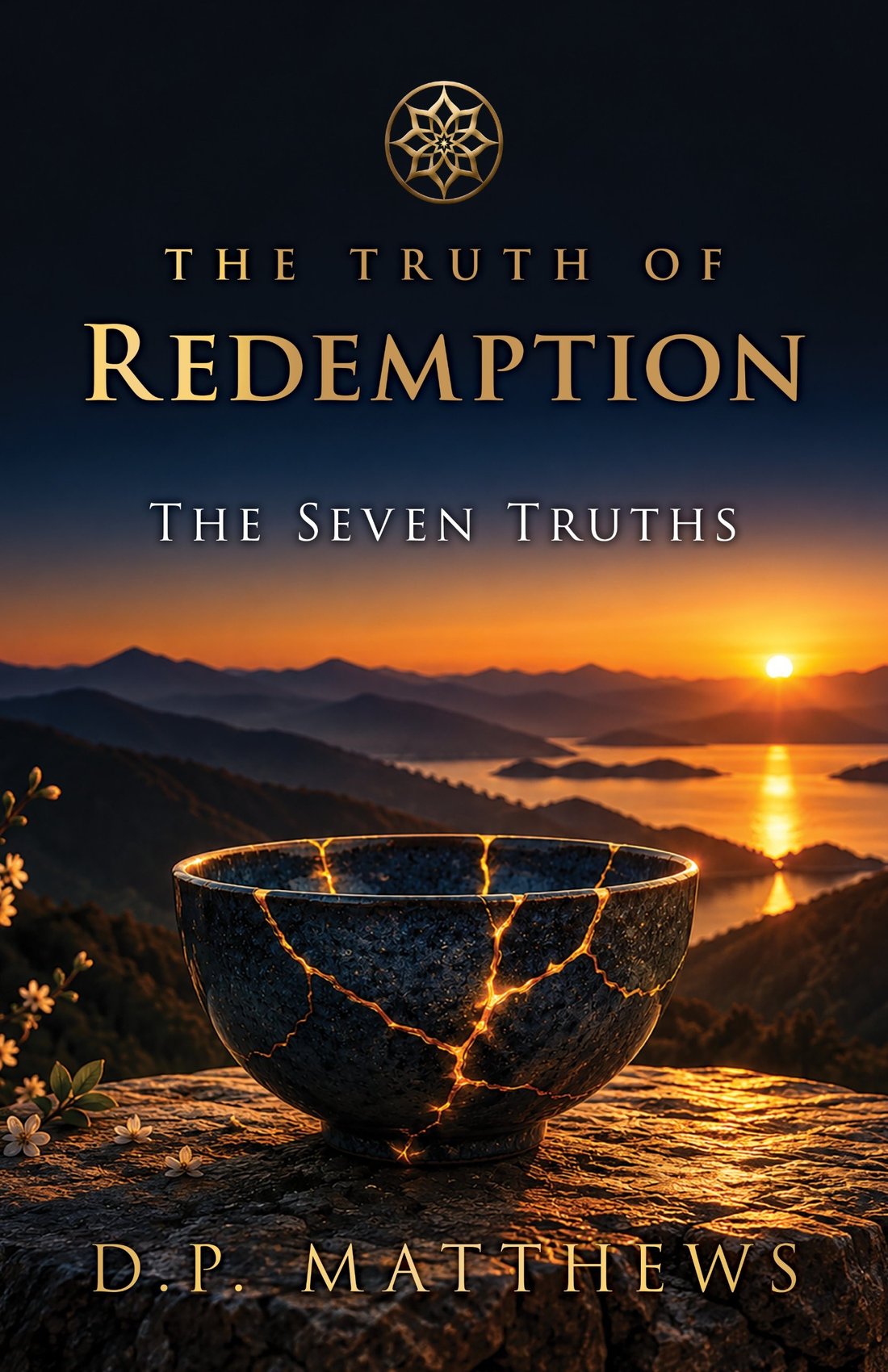
The Truth of Redemption
What do you do when you realize you were the one who caused the harm?
More about this bookShow less
Sometimes recognition comes immediately. Sometimes it arrives years later, in the middle of an ordinary day, when a memory returns and the explanation you once gave yourself no longer feels complete.
The Truth of Redemption begins there.
Redemption is often imagined as a dramatic moment. An apology, a reconciliation, a second chance. But most redemption is quieter than that.
It begins with seeing clearly what happened. With recognizing the difference between what you meant and what it did. With accepting that an apology may open the door to repair but cannot determine what happens on the other side.
From there comes the harder work.
What does repair actually cost?
How is trust rebuilt after it has been damaged?
How do you know whether change is real?
What happens when forgiveness is not offered?
Drawing from psychology, philosophy, history, and enduring human traditions, The Truth of Redemption explores the difficult territory between regret and continuation.
It does not promise that every relationship can be restored. It does not suggest that forgiveness can be earned through the right words or enough effort. And it does not ask anyone to pretend the past did not happen.
Instead, it asks what responsibility looks like after recognition, when the only thing still fully within your control is what you choose to do next.
Redemption is not erasure, not absolution, and not forgiveness.
Forgiveness belongs to the person who was harmed. Redemption belongs to the person who caused the harm. It is the possibility of living differently because you finally understand what the past requires of you.
The Truth of Redemption is for anyone who has ever looked back at something they said, did, failed to do, or failed to understand and wondered whether change can still matter when the damage cannot simply be undone.
The past remains part of the story.
But it does not have to write everything that comes after it.
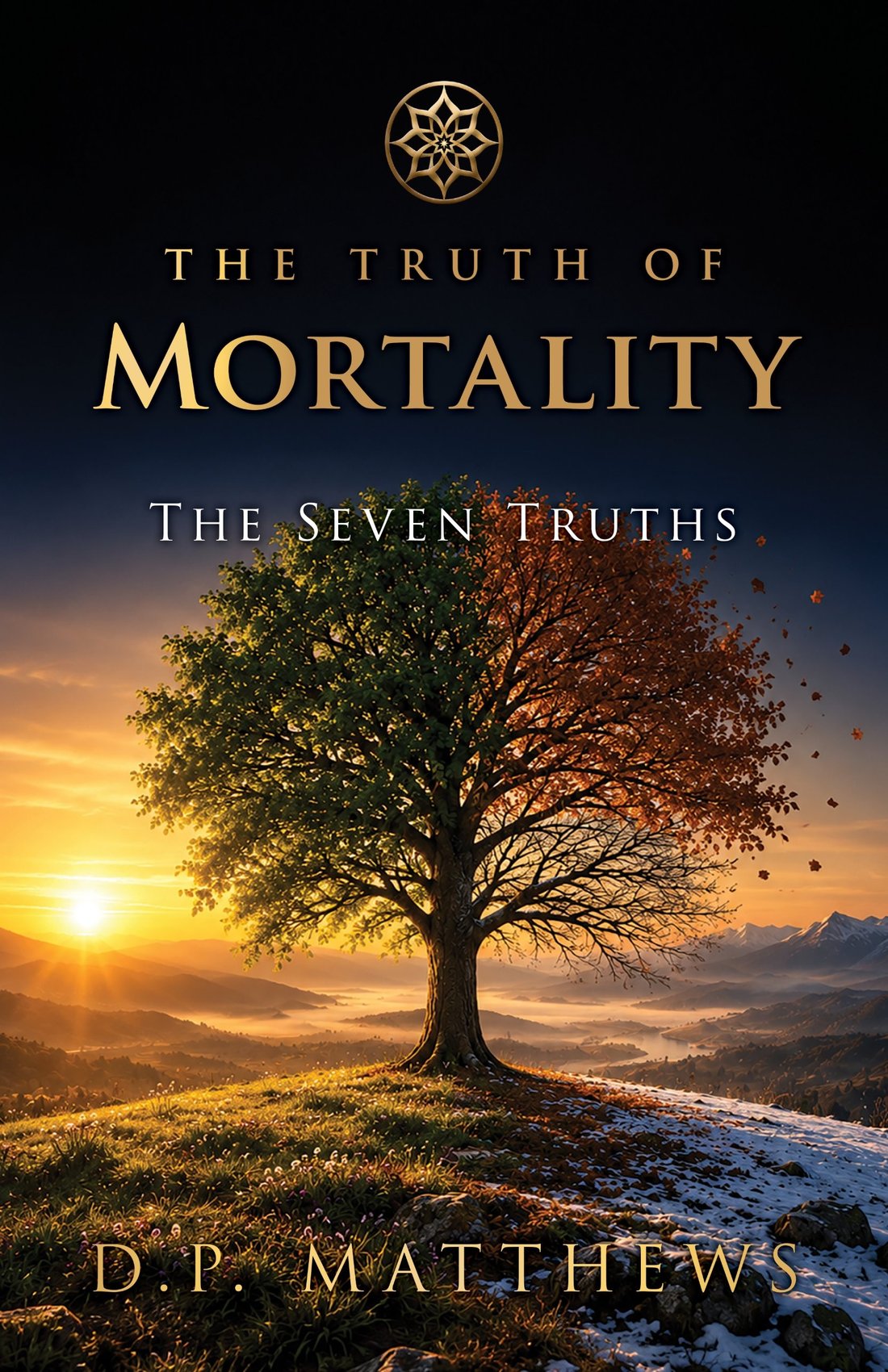
The Truth of Mortality
What changes when you finally understand that time is finite?
More about this bookShow less
At some point, the awareness arrives.
Not always as a crisis. Sometimes as a quiet recognition.
Time moves. It does not reverse. What once felt open begins to close in ways you only notice when you look back.
The Truth of Mortality begins there.
You may find yourself at the beginning of that awareness, in the middle of it, or further along. The sequence is not something you need to match. It is something you may recognize.
What will you leave behind?
What have you been meaning to say?
What do you still need to put right?
This is not a book about death alone.
It is about what happens when the finite becomes visible.
Drawing from Stoic philosophy and from traditions of grief and remembrance around the world, The Truth of Mortality follows the awareness of mortality across the full arc of a life, through grief, aging, legacy, and the question of what remains.
Mortality changes the way we see ordinary things.
Moments no longer feel endlessly repeatable. Relationships matter differently because they will not last forever. The body becomes something to care for rather than assume. Choices gain weight, because not every door stays open.
But mortality is not only about what ends.
It is also about what continues.
The ways we affect other people. The habits and values we pass forward. The memories we leave behind. The choices that outlast the moment in which they were made.
The Truth of Mortality does not offer comfort by pretending loss is smaller than it is. It does not promise that grief can be resolved neatly or that every unfinished thing can be completed.
Instead, it asks what becomes possible when we stop treating finitude as something to avoid and begin treating it as something to understand.
You do not need to solve mortality.
You only need to recognize what it makes visible.
Time is finite.
That is what makes it valuable.
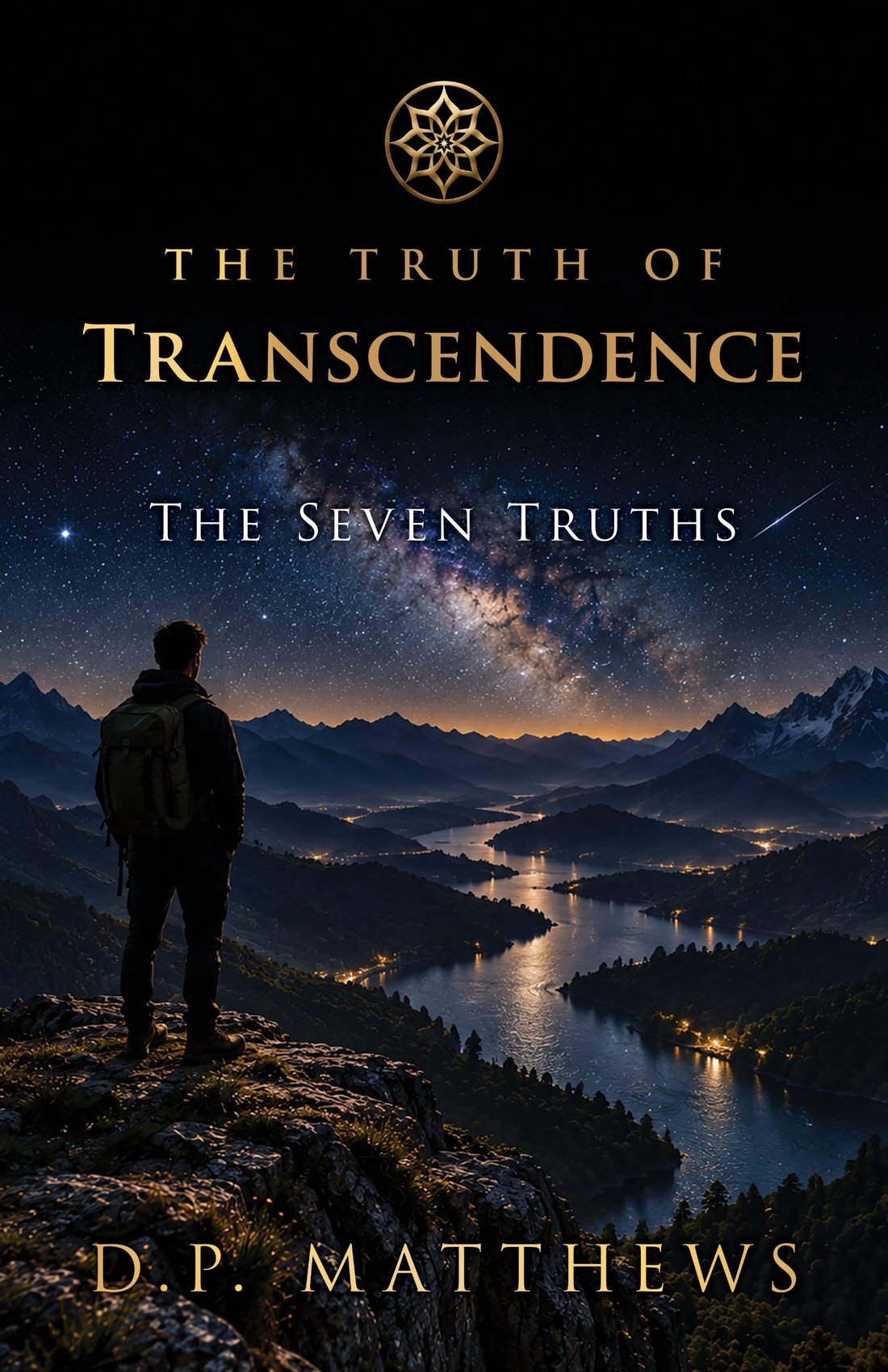
The Truth of Transcendence
Have you ever had a moment that made the world feel briefly larger than it did before?
More about this bookShow less
It may have happened in music.
In grief.
In silence.
In nature.
In a conversation you were not expecting to remember.
For a few seconds, the usual noise quieted. Your sense of scale changed. What was in front of you became more real than it had been a moment before.
The Truth of Transcendence begins there.
These moments are not reserved for mystics, saints, or people who describe themselves as spiritual. They appear across cultures, traditions, and ordinary lives. Sometimes they are sought. Sometimes they arrive without warning. No single tradition owns them.
The language changes.
The experience does not.
The Truth of Transcendence draws on the science of awe and on contemplative traditions as varied as Stoicism, Zen, Sufi practice, and the Irish idea of thin places. It explores what happens when the self briefly becomes quieter and something larger comes into view.
Not escape.
Not certainty.
Not an answer to every question.
Perspective.
A reminder that life is larger than the problems occupying the foreground. That attention changes what we are able to see. That moments of awe, connection, beauty, grief, or stillness can reveal something about the lives we return to afterward.
Because transcendence is not only about the moment itself.
It is about the return.
What changes when you go back to ordinary life?
Do you listen differently?
Do you notice more?
Do the people around you feel closer?
Does what once seemed urgent still hold the same weight?
The Truth of Transcendence is not a religious argument, and it does not ask you to adopt a belief system. It is a reflection on the moments that widen awareness and on what becomes possible when we allow those moments to matter.
You have probably already experienced them.
The question is what you do after.
The fire has been burning a long time.
You only have to stay close enough to feel it.
The Series
Two companions for going deeper
These are the two books built to work across the whole series, alone or with a group.
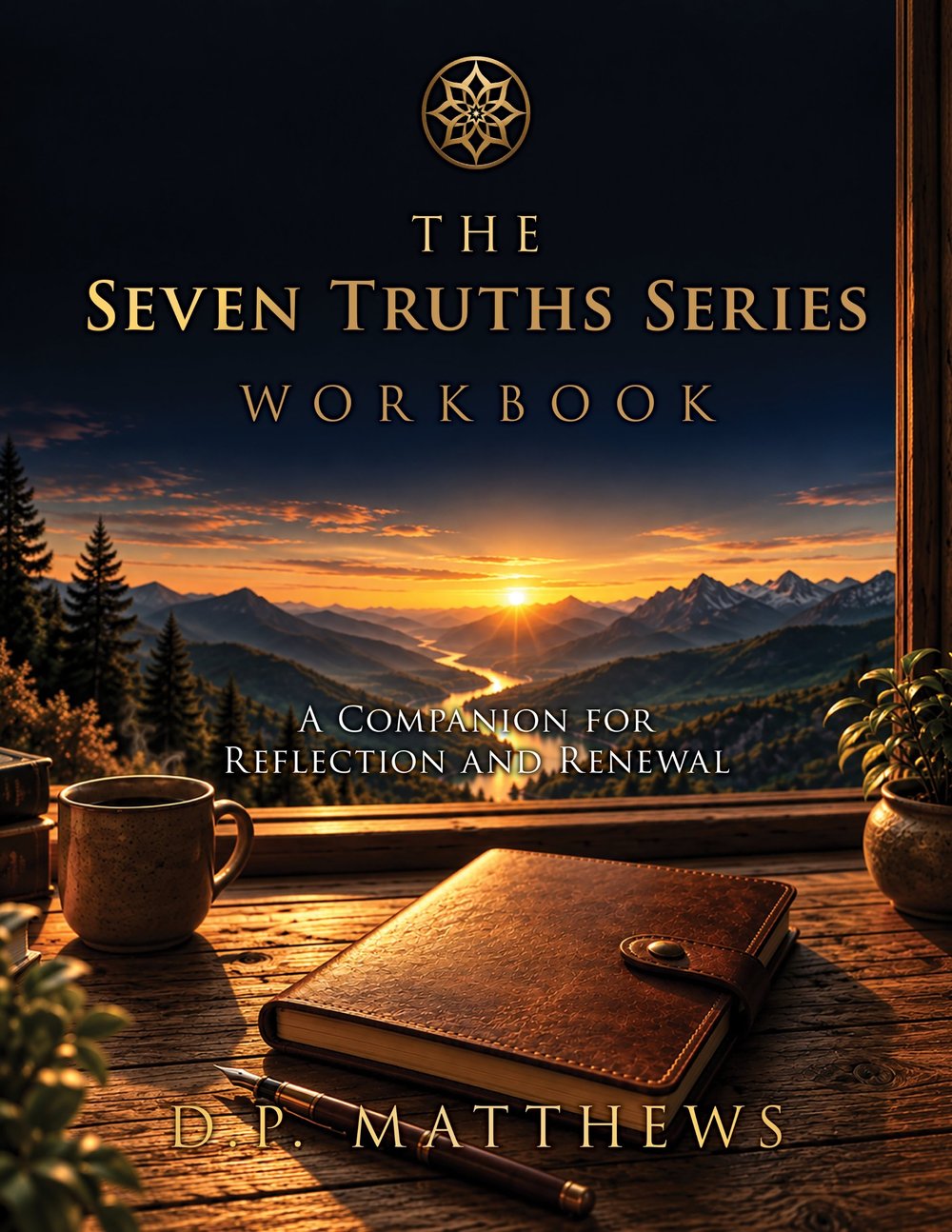
The Workbook
Work through each Truth in your own hand
Reflection prompts, exercises, and writing space for every Truth. Print only, built for actual use, not just a book with blanks added.
More about this bookShow less
The Seven Truths Series Workbook: A Companion for Reflection and Renewal was created for readers who want to do more than read the ideas in The Seven Truths series.
It gives you a place to stop, write, question, notice, and bring those ideas into the territory of your own life.
Use it alongside The Seven Truths: Foundations of Human Resilience and Renewal, pair it with any of the individual Truth books, or work through it on its own.
Belonging. Meaning. Order. Justice. Redemption. Mortality. Transcendence.
Each section invites you into a different conversation.
Where do you belong, and where do you feel yourself standing at the edge?
What gives your life direction when the old answers no longer fit?
What structures actually hold you when life becomes difficult?
Where have you seen fairness, and where have you seen it fail?
What would repair actually require of you?
What will you leave behind?
When did the world last feel larger than you expected?
The questions are not designed to be answered quickly.
Each Truth begins with a few short thoughts to help you arrive, followed by deeper questions with generous room to write, list, sketch, or map whatever begins to surface. Each section also includes a simple practice for carrying the reflection into ordinary life.
There is no test here.
No score.
No correct answer hidden at the back of the book.
You may work through all seven Truths in order, or open directly to the one that feels most immediate right now. A question that gives you little today may mean something entirely different after a loss, a change, a new relationship, a difficult decision, or another season of life.
That is part of the point.
This workbook was built for actual use, not as a book with blank pages added.
Write in complete sentences or fragments. Make a list. Cross something out. Leave a page unfinished. Come back later. The writing does not need to be polished, and the book does not need to be completed on anyone else’s schedule.
The Seven Truths books explore recurring human questions through history, philosophy, psychology, culture, faith traditions, and lived experience.
This workbook turns those questions toward you.
What matters now?
What are you carrying?
What deserves your attention?
What are you ready to see differently?
Work through each Truth in your own hand.
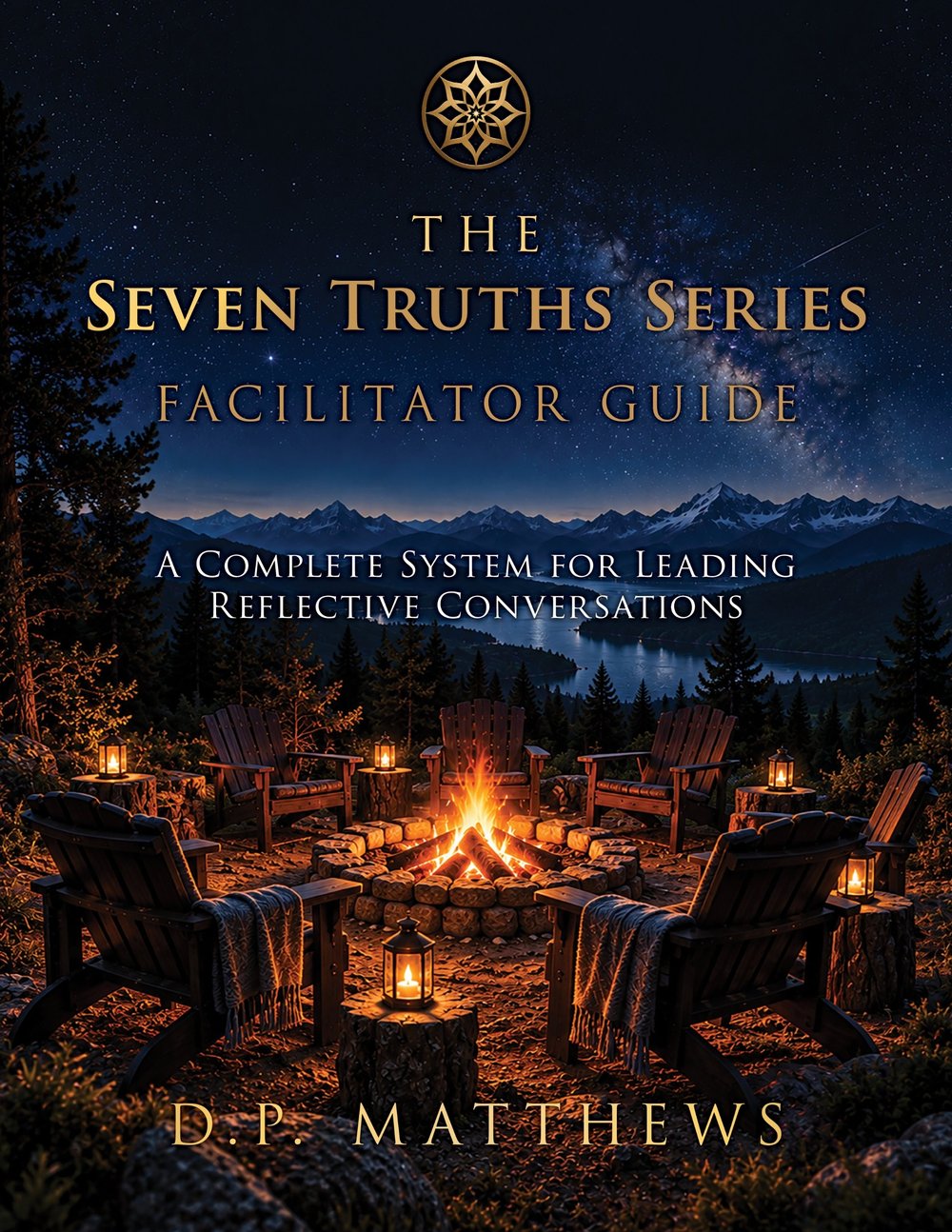
The Facilitator Guide
Lead a group through the material
A complete system for leading reflective conversations: self-guided, group, or self-study formats, with a full question bank to go deeper than a single sitting allows.
More about this bookShow less
Some conversations need more than a good question. They need someone who knows how to hold the room.
The Seven Truths Facilitator Guide: A Complete System for Leading Reflective Conversations was built for anyone who wants to create the kind of space where people can speak honestly, listen carefully, and go further than ordinary discussion usually allows.
You do not need to be a therapist, teacher, counselor, or professional facilitator.
You need curiosity.
You need presence.
You need a willingness to listen without waiting for your turn to speak.
The guide gives you the structure for everything else.
Use it with The Seven Truths: Foundations of Human Resilience and Renewal, alongside any of the individual Truth books, or across the entire series.
The system is built around three paths. Readers working alone can follow the Self-Guided Journey, with prompts and extended journal practices for each Truth. Facilitated groups can choose the Group Series, in short, standard, or deep formats. Groups that rotate leadership rather than relying on one permanent facilitator can use the Self-Study Circle.
The guide includes practical instruction for opening a session, choosing questions, reading the room, handling silence, following an answer deeper, making room for quieter voices, redirecting debate, responding when emotion enters the conversation, and knowing when to stay with a question rather than moving on.
Every Truth includes facilitator context, opening passages, structured session plans, take-away exercises, closing questions, and a question bank that moves from Easy to Mid to Deep.
The questions are designed to help conversations move naturally from the surface into the places where people begin speaking from experience rather than abstraction.
There is more material here than any one group will use.
That is intentional.
Some groups may meet for seven sessions, one for each Truth. Others may spend fourteen sessions moving through the material more slowly. Some may work through every chapter across the full series over a year or more. The guide is designed to support all of them.
This is not a script you have to follow perfectly. It is a set of tools.
Use the questions that fit. Leave the ones that do not. Return when the group is ready.
The goal is not to control the conversation, teach a conclusion, or make everyone agree. The goal is to create the conditions where honest conversation can happen and then protect those conditions long enough for something real to emerge.
Whether you are leading friends, a class, a discussion group, a community circle, or working through the material on your own, the principle is the same:
The circle does the work. Your job is to tend it.
For Groups and Educators
Bring The Seven Truths to your group
The series was built to be read together, in a book club, a class, a team, or a congregation. Here is how the pieces fit.
Read
Each member reads Foundations, or the Deep Dive your group chooses to start with.
For every reader
Reflect
The Series Workbook gives each member space to write through the questions between meetings.
One per member
Gather
The Series Facilitator Guide gives the leader session plans for guiding the conversation. Coming soon.
One for the leader
Every title is sold through Amazon. Each member will want their own Workbook, and the leader needs one Facilitator Guide.
Getting Oriented
Where to start
There isn't a required order, but if you're not sure where to begin:
New to this? Start with Foundations. It sets up the whole framework and points to whichever Truth you'll want next.
Already have a Truth in mind? Each one stands on its own. Go straight to the one that fits where you are right now.
Want to work through it, not just read it? Pair any book with the Workbook.
About
About the author
D.P. Matthews writes from a long engagement with questions most people carry but rarely name aloud, questions about belonging, meaning, order, justice, redemption, mortality, and transcendence, and what it means to remain human in a changing world.
The Seven Truths grew from a personal journey navigating grief, loss, and the enduring human need for connection, alongside a broader effort to understand why some people and communities endure hardship with their integrity intact while others struggle to recover from the same pressures. Drawing from history, philosophy, psychology, faith traditions, resilience research, and lived experience, Matthews traces the recurring patterns that help people navigate uncertainty, responsibility, suffering, and renewal.
Rather than offering prescriptions, the books explore a set of enduring truths that can be revisited throughout a lifetime. Each volume stands on its own while contributing to a larger conversation about what sustains individuals, communities, and cultures across seasons of change.
D.P. Matthews writes under a pen name so that the focus remains on the work itself. These books are offered as companions for reflection, intended not to provide answers, but to help readers ask better questions.
 Published by Seven Truths Labs